product_detail
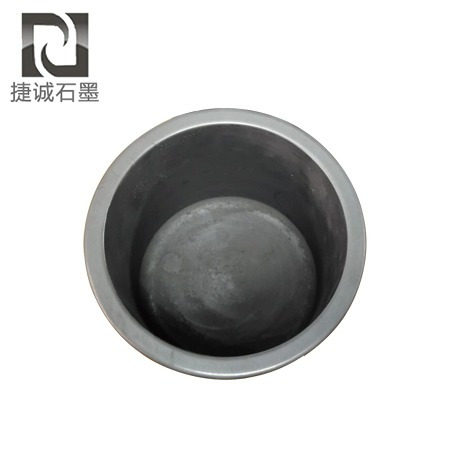
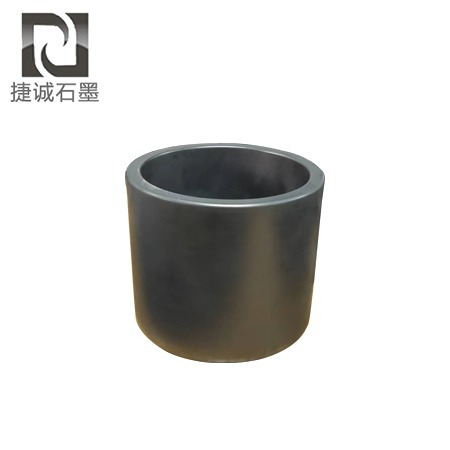
A cracked graphite crucible spills molten metal, stops production and creates safety risks. Many operators blame poor furnace control, while the real reasons cover material selection, preheating, handling and daily maintenance. Jiecheng Graphite summarizes the most frequent failure modes for graphite crucible users.
Thermal Shock Cracking (The Most Common Issue)
Graphite is resistant to thermal shock, but it cannot stand sharp temperature jumps. Putting a cold crucible directly into a hot furnace, or pouring cold metal into a hot crucible, generates uneven expansion stress and forms radial cracks. Moisture inside the crucible is another big trigger. If the crucible absorbs water during storage, trapped steam expands violently during heating and bursts the wall. Always store graphite crucibles in dry warehouses and carry out slow, staged preheating.
Molten Metal and Slag Penetration
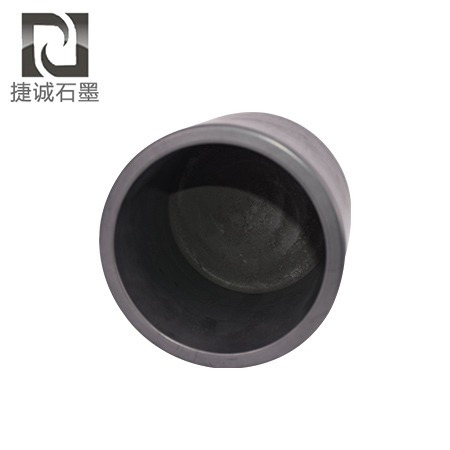
Porous graphite absorbs molten alloy and slag. After cooling, the solidified metal inside pores expands and breaks the crucible body. Aluminum alloy is especially likely to infiltrate unimpregnated graphite. The fix is selecting high-density low-porosity graphite and anti-infiltration impregnation. Remove slag completely after each melting cycle; residual slag will corrode the inner wall continuously.
Oxidation Thinning
Continuous oxidation eats away the crucible wall from both inside and outside in open-air furnaces. The wall becomes thin, brittle and breaks easily. Crucibles for long-cycle air melting should adopt anti-oxidation treatment. If you run the furnace under inert gas protection, oxidation wear will drop sharply.
Mechanical Damage and Improper Operation
Knocking, collision and scraping with hard metal tools leave hidden microcracks. These tiny cracks expand under thermal cycles and finally split the crucible. Do not use steel bars to scrape the inner surface. Use soft carbon tools for cleaning. Overfilling the crucible also causes overflow erosion and sidewall damage.
Quick Troubleshooting Table
- Radial cracks after heating: moisture absorption or insufficient preheating
- Wall swollen and metal stuck inside: melt penetration, low density
- Wall becomes thin gradually: high-temperature oxidation
- Local chipping and irregular cracks: mechanical impact damage
Practical Protection Rules
Dry and preheat new crucibles step by step.
Avoid rapid temperature rise above 200°C per hour.
Do not overfill molten metal.
Clean slag gently with non-metallic tools.
Choose impregnated high-density graphite for aluminum melting.
Jiecheng Graphite marks material limits on every finished graphite crucible. Our engineers can provide operation guidance to help your team reduce unexpected cracking and extend crucible service life.