product_detail
Buyers looking for melting containers often hesitate between graphite crucibles and ceramic crucibles. Both can withstand high heat, but their material traits decide suitable scenarios. Picking the wrong one leads to short service life, contamination or chemical reaction. Dongguan Jiecheng Graphite compares their performance for metal melting, casting and laboratory applications.
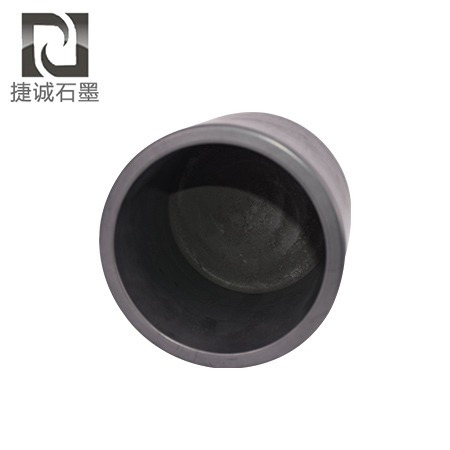
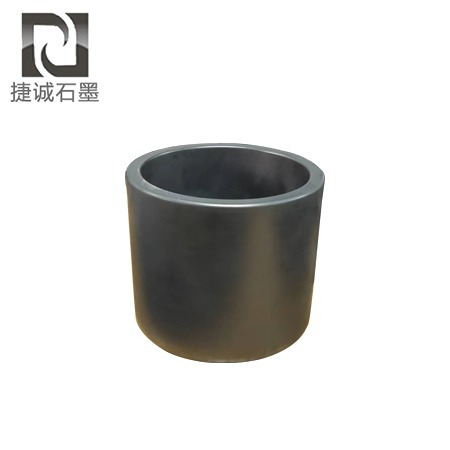
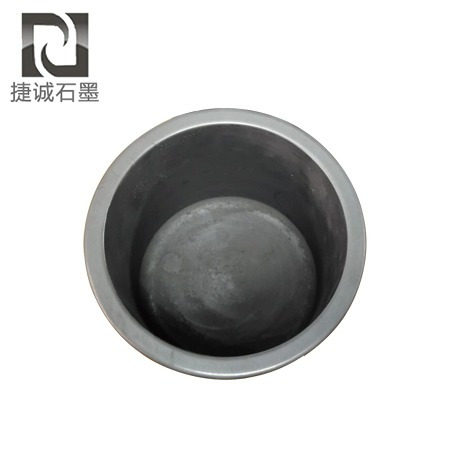
Graphite Crucible Core Advantages
Graphite has excellent thermal conductivity. Heat spreads fast and evenly, shortening melting time and cutting power consumption. Its low thermal expansion gives outstanding thermal shock resistance. It can survive repeated fast heating and cooling cycles that crack most ceramic vessels. Graphite is chemically inert to many non-ferrous metals including aluminum, copper, gold and silver. It can be precisely CNC machined into custom shapes, with pouring spouts, special bottom notches and customized inner cavities.
Graphite Limitations
Graphite starts oxidation in air above 600°C. It cannot run long-term at high temperature in open air without anti-oxidation coating. It is not compatible with strongly oxidizing molten salts or some reactive oxides, which will corrode carbon structure.
Ceramic Crucible Core Advantages
Ceramic crucibles (alumina, zirconia) resist oxidation perfectly. They are stable in air at temperatures above 1600°C. They do not react with oxidizing materials and will not release carbon impurities. They are the first choice for oxide sintering and high-temperature chemical analysis.
Ceramic Limitations
Ceramic is a poor heat conductor, so melting takes longer and consumes more energy. Its thermal shock resistance is weak. Sudden temperature changes easily cause brittle fracture. Ceramic is harder to machine, and custom complex shapes cost much more.
Selection Guide
Choose graphite crucible if you melt aluminum, copper, brass, gold, silver and other non-ferrous metals; you need fast melting, frequent batch cycles and custom machined geometry; your furnace works under vacuum or inert shielding gas.
Choose ceramic crucible if you process oxide powder, oxidizing chemicals; contamination from carbon is strictly forbidden; the process runs continuously in open air at ultra-high temperature.
Common Buying Mistake
Using ceramic crucibles for induction furnace aluminum melting. The poor thermal conductivity reduces melting efficiency and they crack frequently from thermal shock. Using graphite crucibles for oxidizing oxide sintering, which causes fast oxidation failure and carbon pollution.
Jiecheng Graphite mainly produces custom graphite crucibles for foundry, precious metal refining and vacuum thermal processing. We provide test reports for density, purity and oxidation performance. If you are unsure which type matches your process, send your melting material, temperature and furnace atmosphere for our recommendation.